

Why Empty Nesters Are Choosing ADUs Instead of Downsizing
If you’re reading this, you likely own a sizeable home on a generous lot. For years, it supported a family of four or more. Now, you may be nearing retirement and reassessing your space. Although your home holds decades of memories, maintaining it requires increasing effort. Large yards, aging sport courts, and oversized garages demand constant upkeep. At the same time, today’s housing market discourages downsizing. In many cases, moving locally offers little financial advantage.
Instead of selling, many empty nesters are building an Accessory Dwelling Unit, or ADU. This approach allows homeowners to stay rooted while improving flexibility.
A Strategic Alternative to Downsizing
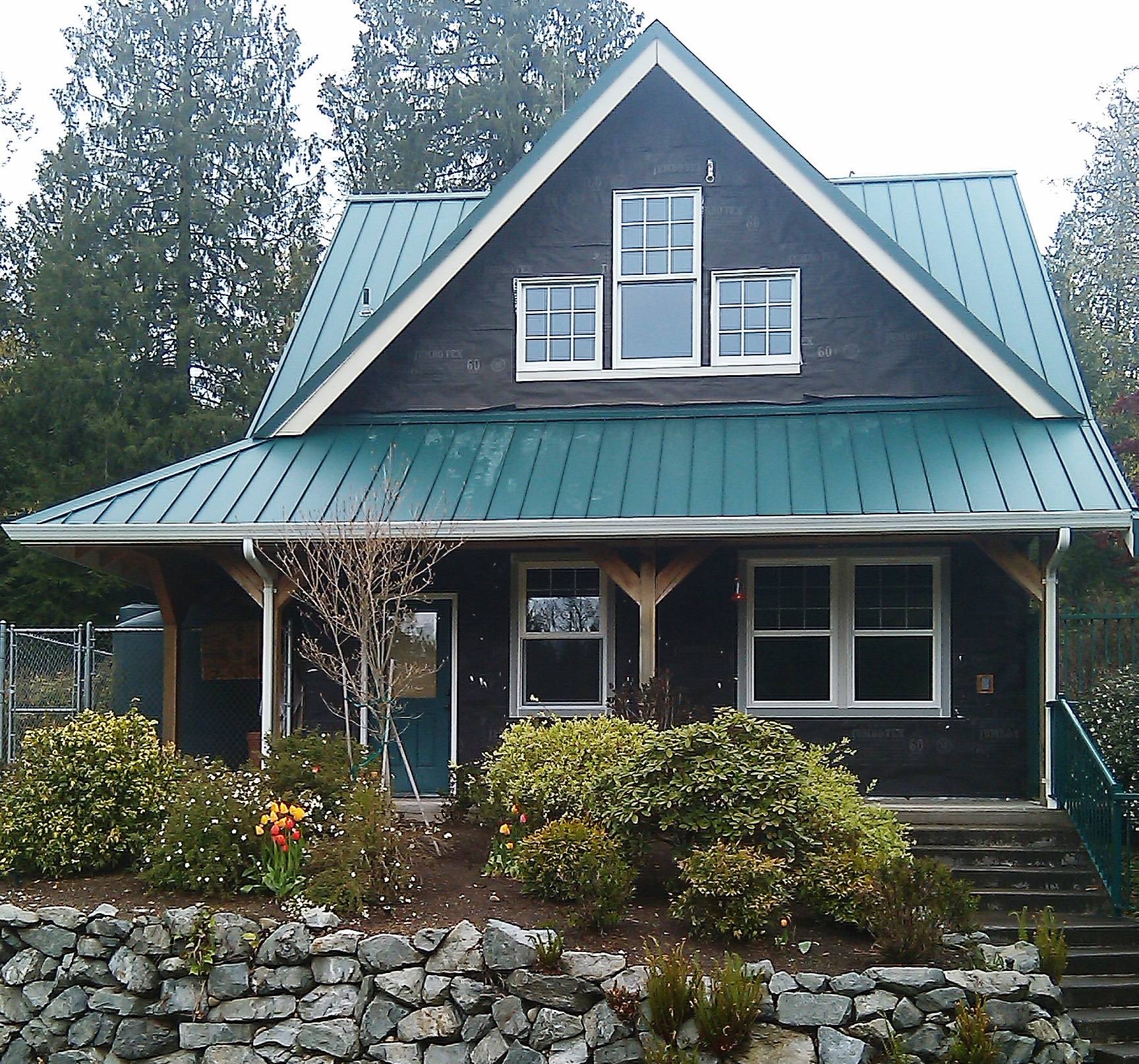
An ADU provides options without forcing relocation. Initially, many homeowners design the space for a family member.Later, they may convert it into an income-producing rental.
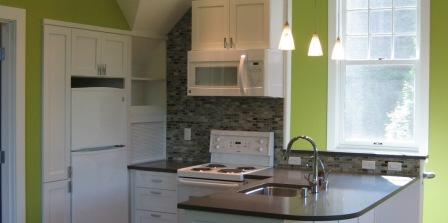
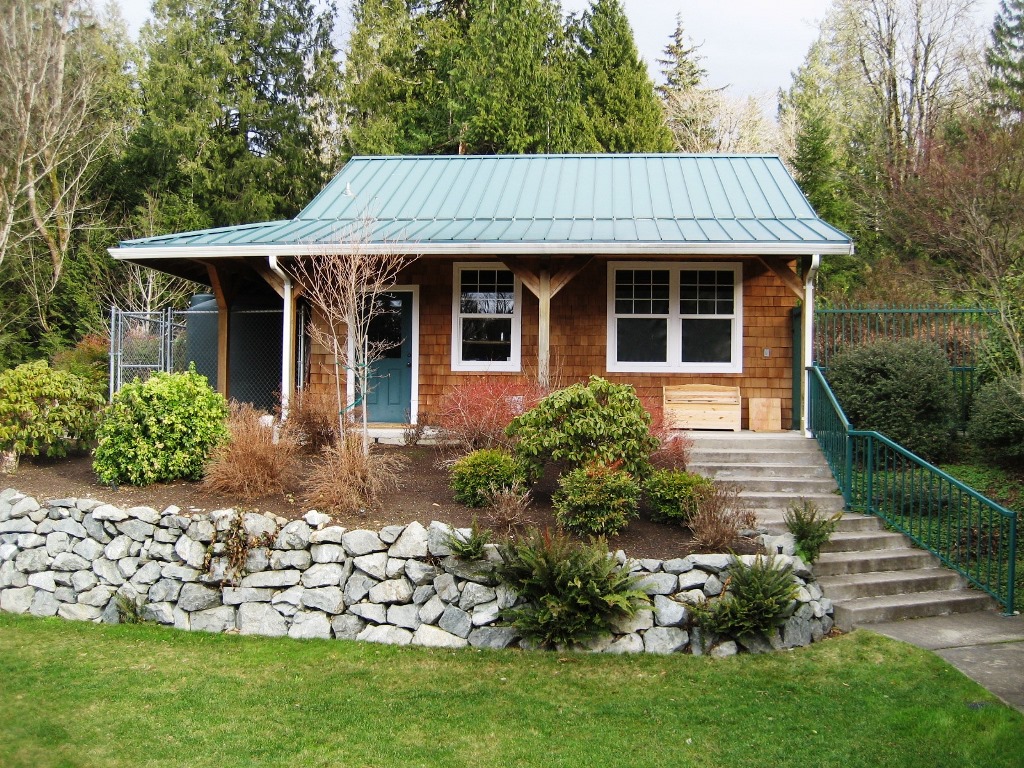
For example, one family built an ADU for a snowbird mother. She funded a ground-floor suite with a kitchenette and private living area. As a result, she enjoyed summers with her daughter and son-in-law. Eventually, the family retained the added equity within the property. When they sell, they can leverage that value through a 1031 exchange. Therefore, an ADU often creates both emotional and financial return.
Navigating ADU Regulations and Costs
However, ADU regulations have evolved over time. In 2011, King County restricted separate cooking appliances in kitchenettes. Additionally, officials required enhanced fire separation and septic upgrades.
Similarly, Woodinville imposed strict life safety requirements in 2015. In some cases, homeowners had to retrofit both the ADU and primary residence. Consequently, compliance added roughly 25 percent to construction costs. Despite these challenges, regulations have steadily relaxed.
Modern ADUs Offer Greater Flexibility
Today, jurisdictions support ADU development more openly. Modern codes allow fully functional kitchenettes and standard shared-wall construction. Furthermore, some cities now issue separate addresses for ADUs.
For example, the City of Kirkland recognizes ADUs as independent dwellings.
As restrictions ease, more homeowners embrace this practical solution. An ADU can support aging parents, returning adult children, or rental income. At the same time, it strengthens long-term property value.
Interested in learning more about how an Accessory Dwelling Unit would integrate into your home? Visit https://tenhulzen.com/additions-adu for more information.
0 Comments